
Homeowners today are placing greater emphasis on making their homes safer, more comfortable, and visually appealing. Strategic home upgrades can improve everyday living while also increasing long-term property value. According to the 2024 Remodeling Impact Report by the National Association of Realtors, many home improvement projects can recover 50–80% of their cost at resale, while certain exterior improvements can increase perceived property value even further. Similarly, the U.S. Department of Energy notes that upgrading insulation alone can reduce heating and cooling costs by up to 15%, demonstrating how practical improvements can translate directly into long-term savings.
Beyond financial benefits, home upgrades help address important lifestyle needs. Improved outdoor living spaces make homes more enjoyable for gatherings and relaxation, while electrical and structural improvements enhance safety and reliability. Many homeowners also prioritize projects that boost curb appeal, as attractive exterior features can create a stronger first impression and elevate the overall character of the property.
Careful planning is essential when deciding which improvements to prioritize. Instead of tackling projects randomly, homeowners benefit from evaluating which upgrades deliver the greatest impact. Improvements that enhance structural durability, increase energy efficiency, or improve outdoor usability often provide the most meaningful long-term benefits.
The following guide explores essential home upgrades that help improve safety, comfort, and curb appeal. By understanding how these improvements contribute to both functionality and visual appeal, homeowners can develop a renovation plan that strengthens the value and livability of their property for years to come.
Building a Strong and Welcoming Driveway Entrance
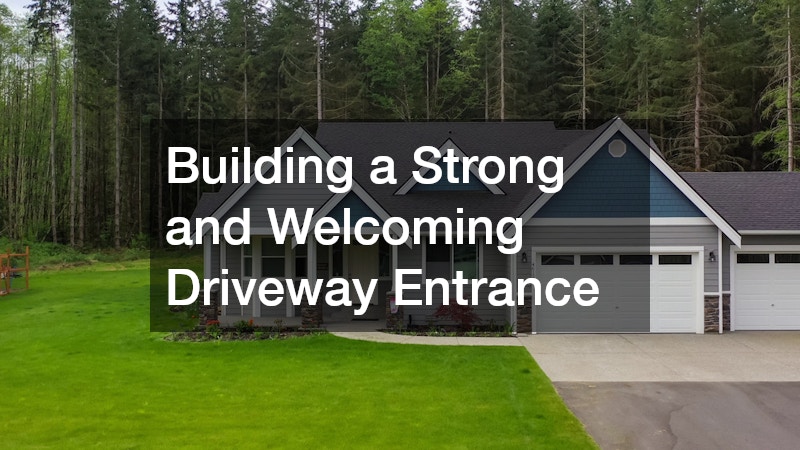
The driveway is often one of the first elements visitors notice when approaching a property. A well-designed driveway not only improves accessibility but also contributes significantly to the home’s overall curb appeal. Many homeowners choose asphalt driveway installation because it offers a durable, smooth surface that can withstand regular vehicle traffic while maintaining a clean and professional appearance.
Asphalt is known for its flexibility and resilience compared to other driveway materials. This flexibility helps the surface adapt to changing temperatures, reducing the likelihood of cracks caused by seasonal expansion and contraction. In addition to durability, asphalt driveways are typically quicker to install and easier to maintain than many alternatives.
Beyond functionality, a professionally installed driveway can enhance the visual appeal of the entire property. A well-paved entrance creates a strong first impression while also improving vehicle access and parking convenience. When properly maintained, asphalt driveways can last many years while continuing to enhance the overall look of the home.
Smart Tips
• Evaluate drainage conditions before beginning the project to prevent water damage.
• Choose asphalt thickness appropriate for the number and weight of vehicles using the driveway.
• Schedule installation during stable weather conditions for optimal curing.
• Seal the driveway periodically to protect it from cracks and surface wear.
Enhancing Property Security with Modern Entry Systems
Security improvements are becoming a priority for homeowners seeking greater privacy and peace of mind. Installing an automatic gate at the property entrance offers both security and convenience while also improving the home’s visual presence. Automated gates allow homeowners to control property access while creating a refined and secure boundary around the home.
Automatic gate systems can be integrated with modern technology such as remote access, keypad entry, or smartphone controls. These features provide flexible access for homeowners while limiting unauthorized entry. In addition to security benefits, automated gates can increase property value by creating a more exclusive and well-protected environment.
When selecting a gate system, homeowners should consider factors such as gate style, motor strength, property layout, and maintenance requirements.
Smart Tips
• Choose corrosion-resistant materials such as steel or aluminum for durability.
• Install safety sensors to prevent the gate from closing on vehicles or pedestrians.
• Consider smart access systems that allow remote gate control.
• Schedule routine inspections to ensure motors and hinges remain functional.
Creating Comfortable Outdoor Spaces with Protective Shade
Outdoor living spaces have become an important part of modern home design. Installing residential awnings helps create comfortable shaded areas where homeowners can relax while staying protected from direct sunlight. Awnings provide practical protection for patios, decks, and windows while also contributing to the home’s architectural style.
In addition to improving outdoor comfort, awnings help reduce heat entering the home through windows. By blocking direct sunlight, they can lower indoor temperatures and reduce cooling costs during warmer months.
Modern awnings are available in many styles including retractable systems, motorized models, and permanent installations. This allows homeowners to choose designs that match both their functional needs and exterior design.
Smart Tips
• Choose UV-resistant fabrics that maintain color and durability.
• Consider retractable awnings to adjust shade levels throughout the day.
• Install awnings above south-facing windows to reduce indoor heat.
• Select colors that complement the home’s exterior design.
Expanding Living Space with Protected Patio Areas
Outdoor entertaining spaces add tremendous value and enjoyment to residential properties. Many homeowners are now investing in enclosed patios to create versatile outdoor areas that remain usable throughout different weather conditions. These structures provide protection from rain, wind, and insects while maintaining an open, airy feel.
Enclosed patios can serve multiple purposes, including relaxation spaces, dining areas, or entertainment rooms. Because they extend the usable living space without requiring a full home addition, they are often considered a practical upgrade.
Design options vary widely, ranging from screened patios to fully insulated sunrooms. Choosing the right design depends on climate conditions and how frequently the space will be used.
Smart Tips
• Install durable flooring materials designed for outdoor environments.
• Include ceiling fans or ventilation systems for better airflow.
• Use insulated glass panels if year-round use is desired.
• Add lighting fixtures to extend usability during evening hours.
Upgrading Garage Surfaces for Strength and Style
Garages are highly functional spaces, yet they are often overlooked during home improvement planning. Installing custom epoxy floors can transform a plain concrete garage floor into a durable, attractive surface that resists stains and wear. Epoxy coatings create a smooth protective layer that improves both appearance and performance.
One of the major advantages of epoxy flooring is its resistance to chemicals, oil spills, and heavy vehicle traffic. This makes it particularly useful for garages, workshops, and utility spaces where durability is important.
Professional installation ensures that the concrete surface is properly prepared before the epoxy coating is applied. Proper preparation helps the coating bond effectively and prevents premature peeling.
Smart Tips
• Repair cracks and clean the concrete surface before applying epoxy.
• Choose slip-resistant coatings to improve garage safety.
• Select lighter epoxy colors to enhance garage lighting.
• Maintain the floor with occasional cleaning to preserve its appearance.
Improving Indoor Comfort Through Better Insulation
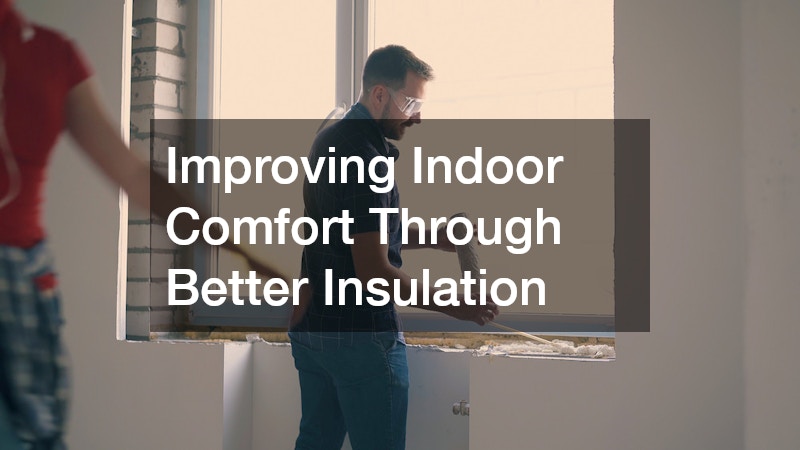
Energy efficiency is one of the most valuable improvements homeowners can make. Hiring a professional insulation contractor ensures that insulation is properly installed throughout the home. Effective insulation helps regulate indoor temperatures while reducing heating and cooling costs.
Many homes lose energy through poorly insulated attics, walls, or crawl spaces. Improving insulation in these areas can significantly increase comfort while reducing strain on HVAC systems.
Professional contractors evaluate the entire building envelope to identify areas where insulation improvements are needed.
Smart Tips
• Prioritize attic insulation where the most heat loss typically occurs.
• Seal air leaks before installing new insulation.
• Use high-performance materials such as spray foam where appropriate.
• Schedule insulation inspections every few years.
Ensuring Safe and Reliable Electrical Systems
Electrical systems must meet strict safety standards to protect homeowners and their property. Working with a qualified licensed electrician ensures that electrical upgrades and repairs are performed correctly. Professional electricians understand building codes and proper wiring techniques required for safe installations.
Electrical upgrades often include replacing outdated panels, installing additional outlets, or improving lighting systems. These improvements support modern energy needs while reducing potential hazards such as overloaded circuits.
Professional electrical inspections can also identify early signs of wiring problems that could lead to safety risks if left unresolved.
Smart Tips
• Upgrade older electrical panels to support modern appliances.
• Install surge protection devices to protect electronics.
• Use dedicated circuits for large appliances.
• Schedule periodic electrical safety inspections.
Protecting Your Home from Unexpected Power Outages
Power outages can disrupt daily life and affect essential household systems. Installing a backup power solution through professional generator installation helps ensure that important appliances continue running during electrical interruptions.
Standby generators automatically activate when power loss occurs, allowing homeowners to maintain lighting, refrigeration, heating systems, and other critical equipment.
Choosing the right generator depends on the household’s energy requirements and the size of the property.
Smart Tips
• Calculate total power requirements before choosing a generator size.
• Install generators in well-ventilated outdoor locations.
• Maintain the generator regularly to ensure reliability.
• Use automatic transfer switches for seamless power transitions.
Creating Durable Outdoor Structures with Professional Design
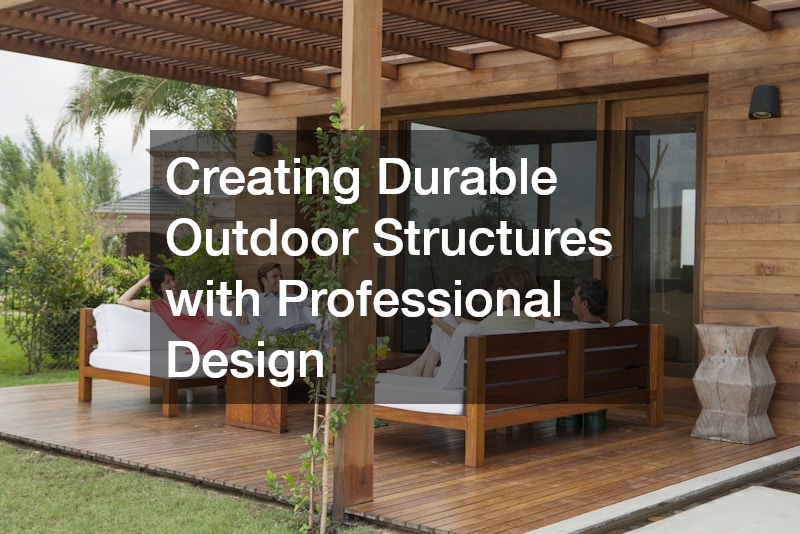
Outdoor structural elements help define and organize exterior living spaces. Hiring an experienced hardscaping contractor ensures that installations such as patios, walkways, retaining walls, and stone features are built correctly and last for many years.
Hardscaping adds both function and visual interest to a property. These structures can improve drainage, support landscaping, and create attractive outdoor gathering areas.
Careful planning and material selection are important to ensure durability and aesthetic harmony with the home’s architecture.
Smart Tips
• Choose durable materials like natural stone or concrete pavers.
• Design pathways that allow comfortable foot traffic flow.
• Install retaining walls to prevent soil erosion where needed.
• Coordinate hardscape colors with the home exterior.
Designing Beautiful and Functional Outdoor Landscapes
A thoughtfully planned yard can dramatically enhance the beauty of a home. Many homeowners choose custom landscaping to create outdoor environments that balance aesthetics with practicality. Landscaping improvements can include planting gardens, installing irrigation systems, and designing decorative outdoor features.
Custom landscaping allows homeowners to tailor their outdoor spaces according to climate conditions, soil type, and personal preferences. When designed properly, landscaping increases property value while creating inviting outdoor spaces.
Professional landscape designers help homeowners select plants, layouts, and maintenance strategies that ensure long-term success.
Smart Tips
• Select native plants that adapt well to local climates.
• Install irrigation systems that conserve water efficiently.
• Use layered plant arrangements for visual depth.
• Add landscape lighting to improve safety and nighttime appeal.
Conclusion: Turning Smart Upgrade Plans Into Lasting Home Value
Planning the right home upgrades is not just about improving appearance—it is about building a safer, more comfortable, and more efficient living environment. When homeowners take a strategic approach to improvements, they can enhance both daily lifestyle and long-term property value. Projects such as improving insulation, upgrading electrical systems, installing reliable backup power, or enhancing outdoor spaces all contribute to a more functional and attractive home.
Another important benefit of thoughtful upgrades is long-term cost efficiency. Energy-saving improvements like proper insulation or shaded outdoor areas can help reduce utility expenses, while durable materials such as epoxy flooring or asphalt driveways minimize maintenance costs over time. At the same time, exterior upgrades like landscaping, patios, and entry gates create stronger curb appeal, which can positively influence property value and buyer interest.
Homeowners who plan upgrades carefully often find that small improvements can create a significant overall impact. By prioritizing safety, structural reliability, and outdoor usability, it becomes easier to develop a renovation plan that balances budget with long-term benefits.
Actionable Steps for Homeowners
• Start with a home assessment. Identify areas that need improvement, such as energy efficiency, structural durability, or outdoor usability.
• Prioritize safety upgrades first. Electrical improvements, backup power solutions, and structural upgrades should often come before cosmetic projects.
• Focus on improvements with long-term value. Projects that improve energy efficiency or curb appeal tend to deliver the strongest returns.
• Work with qualified professionals. Hiring licensed contractors helps ensure that installations meet safety standards and building codes.
• Plan upgrades in phases. Spreading projects across multiple stages can help manage costs while steadily improving your property.
With thoughtful planning and professional guidance, homeowners can transform their properties into spaces that provide greater comfort, improved safety, and stronger long-term value.
References
- National Association of Realtors (NAR). Remodeling Impact Report.
https://www.nar.realtor/research-and-statistics - U.S. Department of Energy. Energy Saver Guide: Insulation and Home Efficiency.
https://www.energy.gov/energysaver - U.S. Department of Housing and Urban Development (HUD). Home Maintenance and Improvement Guidance.
https://www.hud.gov - International Association of Certified Home Inspectors (InterNACHI). Home Maintenance Resources.
https://www.nachi.org